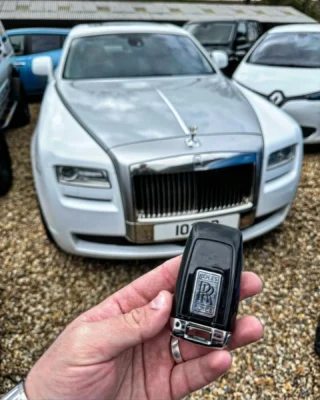
24 Hours To Improve Replace Car Key
A Comprehensive Guide to Replacing Car Keys
Car keys have evolved substantially from the easy metal keys of the past to innovative electronic fobs that incorporate various security features. Despite whether you own an older design or a contemporary vehicle, losing a car key can trigger considerable hassle. This article provides an extensive summary of the procedure of replacing car keys, consisting of the different types of keys, associated costs, and frequently asked concerns.
Types of Car Keys
Before talking about the replacement procedure, it's necessary to understand the different types of car keys that exist today. Each type has its special replacement technique and expense.
Standard Metal Keys:
- Used in older vehicles.
- Easy to duplicate at most hardware stores.
Transponder Keys:
- Contain a chip that interacts with the vehicle's ignition system.
- Need specialized equipment for cutting and programs.
Smart Keys:
- Keyless entry systems that permit drivers to start their lorries without placing a key.
- Replacement needs dealer involvement for shows.
Key Fobs:
- Remote-controlled devices that open doors and can start the engine.
- Typically incorporated with transponder innovation.
Valet Keys:
- Designed for momentary use, enabling limited access to a car.
- Typically found with a key fob for fundamental functions.
Comparison Table: Types of Car Keys
Key Type
Description
Replacement Method
Expense Range
Conventional Metal
Standard, non-electronic keys
Replicate at hardware stores
₤ 2 – ₤ 10 per key
Transponder
Keys with a programmable chip
Auto locksmith professional or dealership
₤ 50 – ₤ 200
Smart Key
Keyless entry system
Dealer just
₤ 200 – ₤ 500
Key Fob
Remote control access
Auto locksmith professional or dealer
₤ 50 – ₤ 300
Valet Key
Minimal access for short-term use
Replicate if possible
₤ 10 – ₤ 30
Actions to Replace Car Keys
Changing car keys can seem challenging, however it can be relatively simple when broken down into manageable actions. Here's a guide to follow:
1. Determine Key Type
Identify the kind of key you require to replace. This will direct your next steps and offer insight into the required replacement approach.
2. Locate Your Vehicle Identification Number (VIN)
The VIN is generally found on the driver's side dashboard, visible through the windshield. It can also be found on the motorist's side door frame or in your vehicle's registration files. This info is necessary for any key replacement, as it validates vehicle ownership.
3. Contact a Professional
Depending on the key type, you might require to visit either a dealer or a locksmith. For conventional keys, many hardware shops can replicate them rapidly. For transponder keys, a certified locksmith or dealer is needed to set the brand-new key.
4. Provide Necessary Documentation
You may need to present paperwork that validates your identity and ownership of the vehicle. Common documents include:
- Driver's license
- Vehicle registration
- Proof of insurance coverage
5. Program the New Key
For keys with sophisticated innovation (like transponder keys or smart keys), programming is often needed. This may involve using special diagnostic equipment offered at a car dealership or expert locksmith.
6. Test the New Key
After replacement, always test the new key to guarantee it opens the doors and, if relevant, starts the ignition.
Costs Associated with Key Replacement
The expense of replacing car keys can vary considerably based upon the key type, vehicle make and design, and the replacement technique selected. An average expense breakdown is as follows:
- Traditional Keys: ₤ 2 – ₤ 10
- Transponder Keys: ₤ 50 – ₤ 200
- Smart Keys: ₤ 200 – ₤ 500
- Key Fobs: ₤ 50 – ₤ 300
- Provider of a Locksmith: ₤ 50 – ₤ 150 (depending upon services rendered and the intricacy of the key)
Factors Influencing Cost
- Vehicle Make and Model: Luxury cars frequently have higher replacement expenses due to advanced innovation.
- Outsource vs. Dealership: Dealerships might charge more than independent locksmith professionals for similar services.
- Aftermarket vs. Original Parts: Some individuals choose for aftermarket keys, which can be cheaper but might not have the same service warranty protection.
Frequently Asked Questions About Replacing Car Keys
Q1: Can I replace my car key myself?A: While you can replace standard metal keys yourself, most modern-day keys need expert expertise for duplication and programming. It is suggested to seek professional aid. Q2: How long does it take to replace a car key?A: Replacement time varies. Conventional keys can be made in minutes, while transponder
or smart keys may take longer, especially if programming is included. Q3: What if I lose my only key?A: In this case, you will need to tow your vehicle to a dealership or locksmith that can produce a brand-new key for you. Q4: Will my
car's warranty cover key replacement?A: Most car warranties do not cover key replacement unless you have specific theft protection plans.
Constantly contact your warranty service provider. Q5: How can I avoid losing my car keys?A: Consider utilizing a key finder device, designating a specific area for your keys at home, and having a spare key made to keep in a safe area. Replacing these details can be an inconvenience, but comprehending the various kinds of keys, replacement procedures, and associated expenses can streamline the procedure for vehicle owners. Being prepared with knowledge and a strategy can decrease
stress and get you back on the roadway faster. Whether you depend on a dealership or locksmith, browsing key replacement does not have to be an overwhelming experience when you take the best steps.